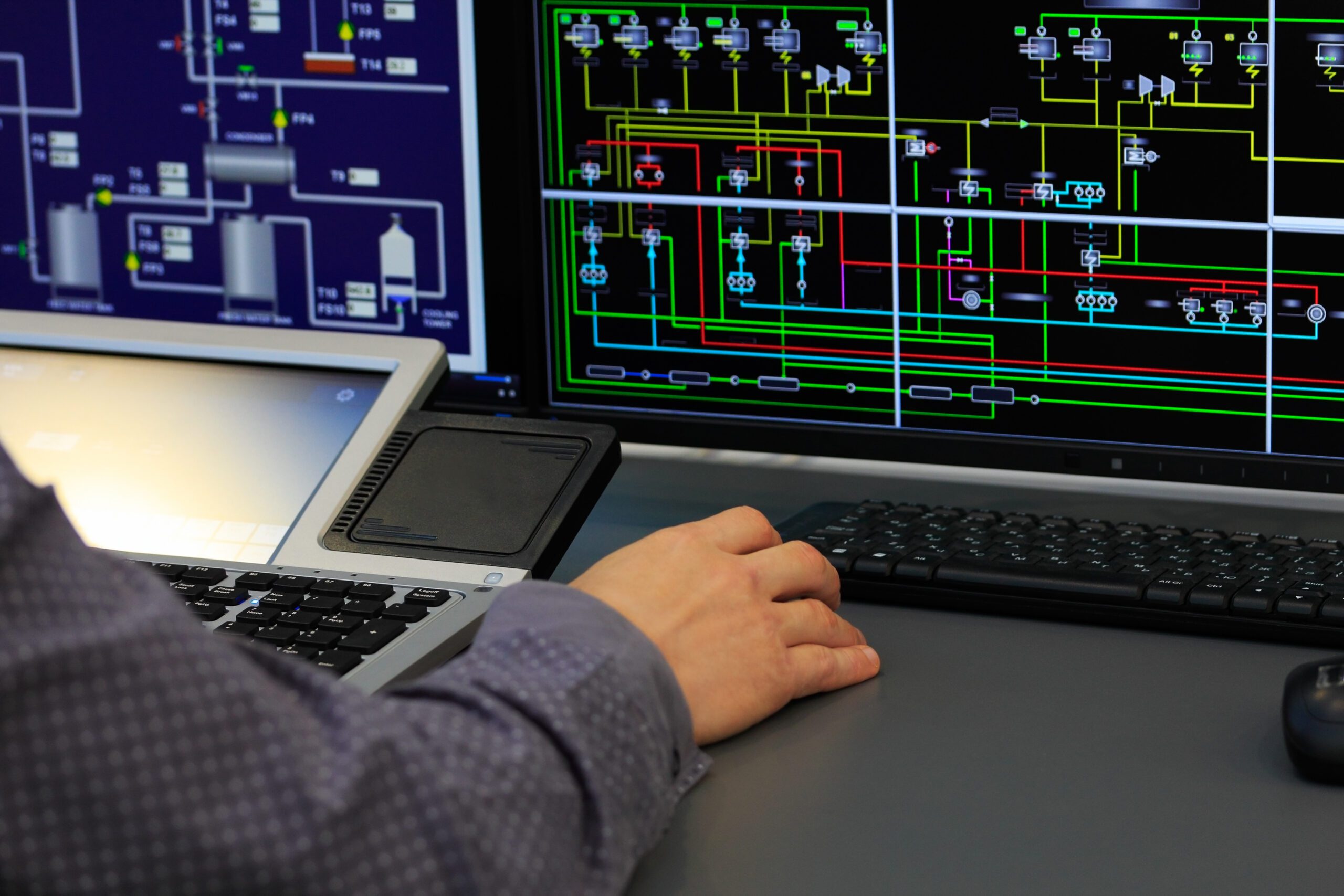
Many industrial facilities continue to operate with control systems that have been in service for decades. In many cases, these systems remain functional and continue supporting day-to-day production, which often means that modernization projects are postponed in favor of more immediate operational priorities.
While older equipment may continue to perform its intended function, aging control systems can introduce risks that aren’t always immediately visible. Limited hardware availability, outdated software, inconsistent documentation, and growing cybersecurity concerns can all affect a facility’s ability to maintain reliable operations. Modernization isn’t just about replacing old technology with new, but about reducing operational risk, improving maintainability, and ensuring that automation infrastructure can continue supporting production as business needs evolve.
Why Legacy Systems Remain in Service
Unlike consumer technology, industrial equipment is designed for long service lives. PLCs, HMIs, drives, and SCADA systems are expected to operate reliably for many years, making it common for facilities to run equipment that has been in place for decades. If production remains stable, there’s little incentive to replace systems that still appear to be working.
Modernization projects can also require planned downtime, engineering resources, operator training, and capital investment. For facilities focused on maximizing production, replacing a functioning system may not seem like a priority. The risks associated with legacy systems often increase gradually, making them easy to overlook until a significant issue occurs.
Operational and Cybersecurity Risks of Legacy Control Systems
Aging Hardware Becomes More Difficult to Support
As automation platforms reach the end of their lifecycle, replacement components become increasingly difficult to obtain. Manufacturers eventually discontinue processors, communication modules, power supplies, and input/output hardware, which means that spare parts may only be available through secondary suppliers, refurbished inventories, or equipment salvaged from other facilities.
If a critical component fails unexpectedly, extended lead times or limited availability can significantly increase downtime. Planning control system modernization before hardware reaches this stage gives organizations greater flexibility and reduces the likelihood of emergency replacement projects.
Documentation Falls Behind
Few production systems remain unchanged throughout their lifespan. Over time, equipment is modified, production requirements evolve, and maintenance teams implement practical improvements over many years of operation, but the documentation isn’t always updated to reflect these changes.
Outdated electrical drawings, incomplete network diagrams, and undocumented logic revisions make troubleshooting more difficult and increase the time required to diagnose problems. When experienced personnel retire or move into new roles, undocumented knowledge can leave facilities increasingly dependent on trial-and-error troubleshooting.
Obsolete Software Limits Flexibility
Legacy programming environments can create challenges long before hardware fails. Engineering workstations may depend on unsupported operating systems, discontinued software versions, or specialized computers that can’t easily be replaced, while licensing limitations and compatibility issues may make it difficult to update applications or expand existing automation systems. As facilities adopt new production technologies, these software limitations can restrict integration opportunities and slow future improvement projects.
Cybersecurity Risks Continue to Grow
Many legacy industrial control systems were designed before today’s cybersecurity landscape existed. Originally, these systems were often isolated from external networks and therefore required relatively few security features. Today, manufacturers increasingly connect production assets to enterprise systems, remote support platforms, historians, and cloud-based analytics.
As connectivity increases, older systems may lack capabilities that support modern OT cybersecurity practices, including secure authentication, encrypted communications, user access management, and ongoing security updates. Modernization provides an opportunity to strengthen OT cybersecurity while improving operational reliability, visibility, and long-term maintainability.
Integration Becomes Increasingly Difficult
Modern manufacturing environments depend on information flowing between multiple systems. Production equipment may need to exchange data with MES platforms, ERP software, quality systems, maintenance applications, or enterprise reporting tools.
Legacy platforms often rely on outdated communication methods that limit interoperability with newer technologies. As a result, organizations may find themselves building temporary interfaces or maintaining custom solutions simply to keep systems communicating, increasing maintenance requirements and adding unnecessary complexity.
The Hidden Cost of Deferred Modernization
Delaying modernization often appears to reduce short-term spending, but hidden costs accumulate over time. Facilities may experience:
- Longer troubleshooting efforts
- Increased downtime following hardware failures
- Greater dependence on specialized personnel
- Difficulty sourcing replacement components
- Limited opportunities for process improvements
- Higher engineering costs for future expansion projects
None of these issues may seem significant individually, but together, they can increase operational costs and reduce overall agility.
Recognizing When Modernization Should Be Considered
Every facility follows a different modernization timeline, but common indicators that it may be time to evaluate existing infrastructure include:
- Hardware approaching end-of-support status
- Increasing difficulty obtaining spare parts
- Unsupported programming software
- Frequent unplanned downtime
- Growing maintenance effort
- Expansion projects constrained by existing technology
- Increasing cybersecurity concerns
- Limited ability to integrate with newer systems
Recognizing these signs early allows organizations to develop phased modernization strategies rather than responding to unexpected failures.
Modernization Doesn’t Have to Mean Starting Over
One common misconception is that modernization requires replacing every component simultaneously. In practice, many successful projects are completed in phases.
Organizations may begin by upgrading PLC processors, replacing aging HMIs, improving network infrastructure, modernizing SCADA systems, or standardizing programming practices. These incremental improvements reduce risk while allowing facilities to continue operating with minimal disruption. A phased approach also allows organizations to prioritize investments based on operational needs rather than equipment age alone.
Planning for Long-Term Reliability
Effective modernization begins with understanding the current state of a facility’s automation infrastructure. Experienced automation integrators often perform assessments that evaluate hardware lifecycles, software platforms, documentation quality, network architecture, and cybersecurity and manufacturing intelligence readiness. These assessments help organizations identify operational risks, prioritize improvements, and develop practical modernization roadmaps. Rather than focusing solely on replacing aging equipment, successful modernization strengthens the overall automation environment and positions facilities to support future growth.
By taking a proactive approach to control system modernization, organizations can reduce operational risk, improve maintainability, strengthen OT cybersecurity, and create industrial automation infrastructure that supports long-term performance instead of reacting to unexpected failures.