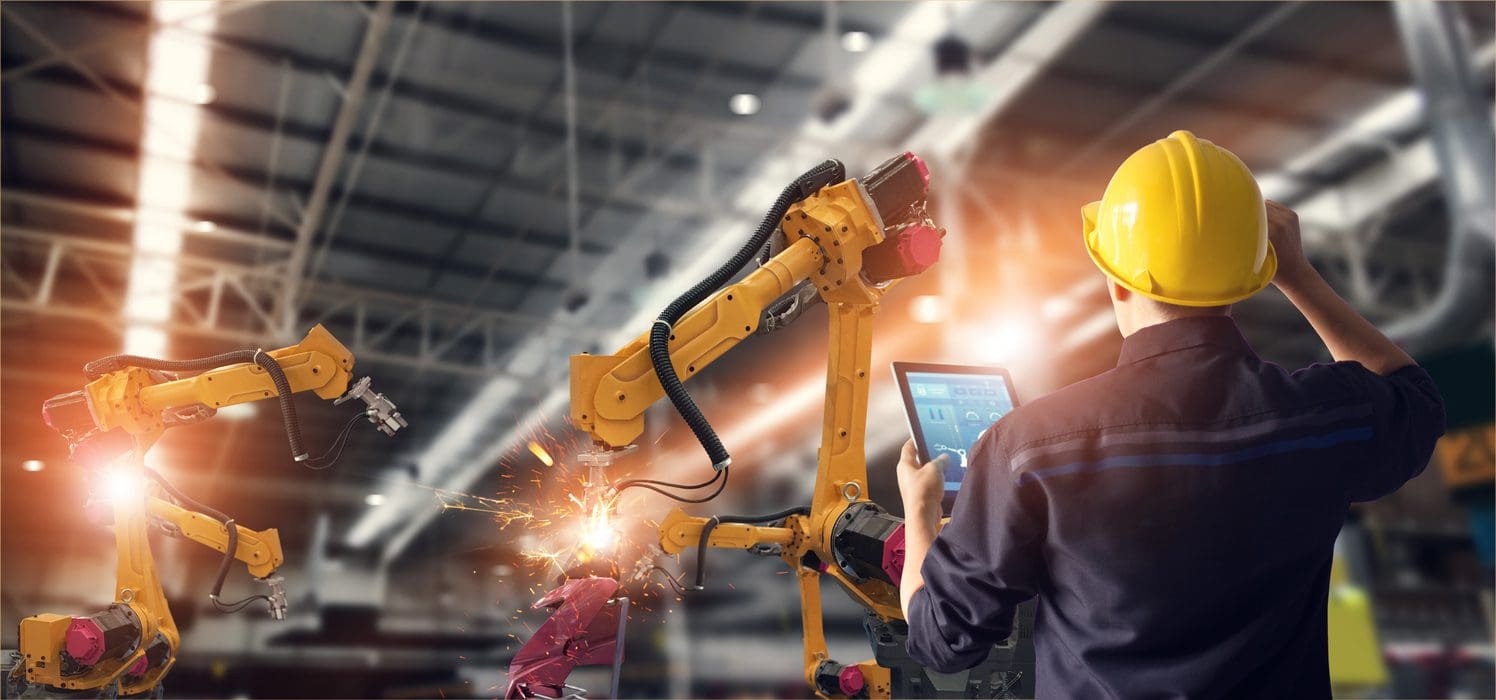
In today’s competitive manufacturing and data center environments, automation is no longer confined to isolated systems. Modern facilities require a unified approach that combines building automation with industrial automation to drive operational efficiency, sustainability, and cost savings. Integrating these traditionally separate systems provides facility managers with centralized control, enhanced data visibility, and smarter decision-making, which are essential for optimizing energy use and maintaining peak performance.
Building Automation vs Industrial Automation
Building Automation Systems manage HVAC, lighting, security, access control, and energy management across a facility. They ensure comfort, safety, and efficiency for building occupants while reducing energy consumption.
Industrial Automation Systems focus on controlling machinery, processes, and manufacturing execution using tools like SCADA, PLCs, and process control software. These systems drive production efficiency and quality on the factory floor.
The Benefits of Integration: Why Combine Building and Industrial Automation?
Integrating building automation systems with industrial automation creates a holistic control environment with several advantages:
- Centralized monitoring and control: Operators can oversee HVAC, lighting, security, and production systems from a single interface.
- Enhanced energy efficiency: Real-time production data enables building systems to adjust energy use dynamically, cutting waste during downtime or low production periods.
- Improved operational responsiveness: When machinery slows or shifts, building controls can respond by modulating ventilation or lighting, improving comfort while saving resources.
- Increased sustainability: Coordinated automation reduces emissions and supports corporate sustainability goals.
- Streamlined maintenance: Unified data enables predictive maintenance, reducing unplanned downtime and repair costs.
Key Technologies Enabling Integration
Technologies that support integrated building automation include:
- IoT sensors & networks: Collect detailed environmental and equipment data throughout the facility.
- Advanced data analytics: Platforms that analyze and visualize data for actionable insights.
- SCADA & centralized control systems: Provide unified supervisory control across building and industrial domains.
- Cloud-based facility management: Enables remote monitoring, scalability, and advanced reporting.
- Cybersecurity solutions: Protect interconnected systems from vulnerabilities and cyber threats.
Industry Examples: Manufacturing Facilities and Data Centers
In manufacturing, integrating building automation systems with industrial automation allows HVAC and lighting to adapt to production schedules, reducing energy consumption without sacrificing safety or comfort.
Data centers benefit by synchronizing cooling with server workloads, optimizing power use, and maintaining uptime. These integrated systems have demonstrated measurable reductions in energy costs and carbon footprints while ensuring operational continuity.
Facility Integration Challenges and How to Overcome Them
Integration isn’t without its challenges:
- System compatibility: Older equipment may require upgrades or custom interfaces.
- Data security: Increased connectivity demands rigorous cybersecurity measures.
- Expertise: Successful integration requires system integrators skilled in both building and industrial automation.
E Tech Group’s Approach to Integrated Automation Solutions
At E Tech Group, we specialize in bridging the gap between building and industrial automation. Our turnkey solutions provide seamless control systems tailored to facility needs, supported by advanced analytics and predictive maintenance tools. We prioritize sustainability, helping clients meet energy regulations and reduce operational costs while maximizing productivity and uptime.