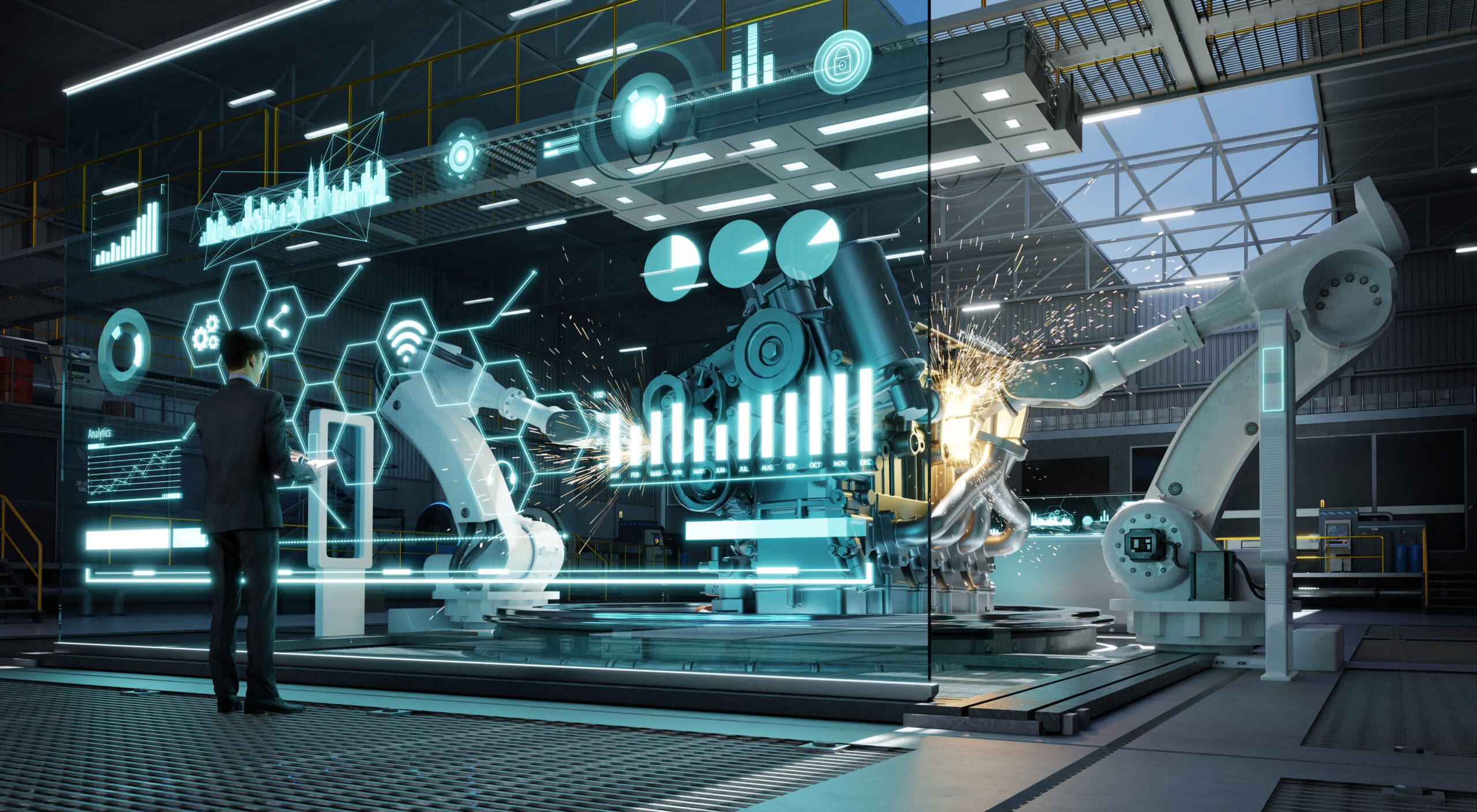
Discrete manufacturers are facing intense pressure to boost productivity, improve quality, and maintain flexibility — all while navigating workforce shortages and rising costs. Industrial robotics is helping companies meet these challenges head-on by transforming how products are assembled, packaged, and inspected.
As robotics technology continues to advance, it’s not just automotive manufacturers and electronics giants that benefit. Today, manufacturers of all sizes are leveraging robotics to improve throughput, safety, and competitiveness.
Why Robotics Is Ideal for Discrete Manufacturing
Unlike continuous manufacturing processes that rely on flow-based production (like chemicals or oil refining), discrete manufacturing involves the assembly of distinct items such as machinery, vehicles, or consumer electronics. These environments require precision, repeatability, and fast changeovers — all strengths of modern robotics systems. Key applications include:
- Assembly automation: Robots can quickly and accurately perform tasks like screwdriving, welding, and component placement.
- Pick-and-place operations: High-speed robotic arms streamline packaging and palletizing.
- Machine tending: Robots can load and unload parts, reducing manual labor and downtime.
- Quality inspection: Vision-guided robots ensure every part meets specifications.
These systems can operate 24/7 with minimal intervention, increasing consistency and enabling manufacturers to scale production without proportional increases in labor.
Collaborative Robots (Cobots) Are Expanding Access
One of the most exciting trends in robotics is the rise of collaborative robots, or cobots. Cobots are designed to work safely alongside human operators without the need for bulky safety cages. Cobots are typically smaller, easier to program, and well-suited for low-volume, high-mix manufacturing environments. The benefits of cobots include:
- Rapid deployment and reprogramming for new tasks
- Enhanced flexibility in mixed assembly lines
- Lower cost of entry compared to traditional industrial robots
Cobots make it easier for small and mid-sized manufacturers to take advantage of industrial automation, especially in tight labor markets.
Robotics + Industrial Automation = Smarter Factories
While robotics handles physical motion and manipulation, it becomes even more powerful when integrated with industrial control systems and smart factory infrastructure. When paired with programmable logic controllers (PLCs), human-machine interfaces (HMIs), and MES/SCADA platforms, robotics systems can:
- Automatically adapt to changing product designs
- Coordinate with upstream and downstream equipment
- Generate real-time production and quality data
- Support predictive maintenance with integrated sensors
This kind of holistic automation transforms isolated robotic cells into a connected manufacturing ecosystem.
Looking Ahead: AI, Simulation, and Autonomous Systems
The future of robotics in discrete manufacturing is being shaped by several emerging technologies:
- Artificial intelligence and machine learning will allow robots to make more complex decisions and self-optimize.
- Digital twin simulation enables virtual commissioning and faster deployment.
- Mobile robotics and autonomous mobile robots (AMRs) are making intralogistics and material handling more flexible than ever.
These innovations are pushing the limits of what’s possible and opening doors for fully autonomous production lines.