Skip to content

News & Knowledge

We’re your source for automation news. Keep up with the latest industry updates and E Tech employee spotlights, as well as tips and guidance from our manufacturing experts.  

E Tech Group to Showcase Life Sciences Capabilities at 2024 Annual ISPE-CaSA Chapter Life Sciences Technology Show

E Tech Group will exhibit in booth #1116 at the 31st annual International Society of Pharmaceutical Engineering Carolina-South Atlantic (ISPE-CaSA) Chapter Life Sciences Technology Show on Wednesday, February 28, 2024, at the Raleigh Convention Center in Raleigh, North Carolina. WEST CHESTER, OH – E Tech Group, a leader in providing high-quality automation, control, and engineering services for industrial clients and Gold Certified Rockwell Automation Partner, today announced that the company will be showcasing its life sciences automation expertise at the 2024 International Society of Pharmaceutical Engineering Carolina-South Atlantic (ISPE-CaSA) Life Sciences Technology Show at the Raleigh Convention Center in Raleigh, NC on Wednesday, February 28, 2024 in booth #1116. E Tech Group: Pharmaceutical Main Automation Partner E Tech Group’s advanced manufacturing automation solutions cater specifically to the life sciences industry, including batch automation, process control, manufacturing execution, validation support, and industrial information systems. We have extensive expertise in GAMP/GDP and validation, enabling life sciences businesses to maintain rigorous standards of quality and compliance in their operations. E Tech Group will be sending a team of life science experts in addition to Business Development Manager Wayne Hansley and Chief Strategy Officer for Life Sciences Rick Pierro. Pierro is a past president of ISPE Boston Area, as well as a Hank Moes Award Recipient. “As a past president and longtime supporter of the ISPE Boston Area Chapter, we are excited to expand our reach in the industry and make new connections at the ISPE-CaSA Life Sciences Technology Show,” said Pierro. “With a nationwide team of over 650 engineers behind us, E Tech proudly supports ISPE and its mission to connect pharmaceutical knowledge.” “As a leading innovator in industrial automation solutions for the life sciences industry, we are thrilled to participate in the upcoming ISPE-CaSA Life Sciences Technology Show in Raleigh,” said Wayne Hansley, Business Development Manager. “This … Continued


Read More

E Tech Group Builds a PlantPAx Automation Solution for a Cultivated Meat Pilot Plant

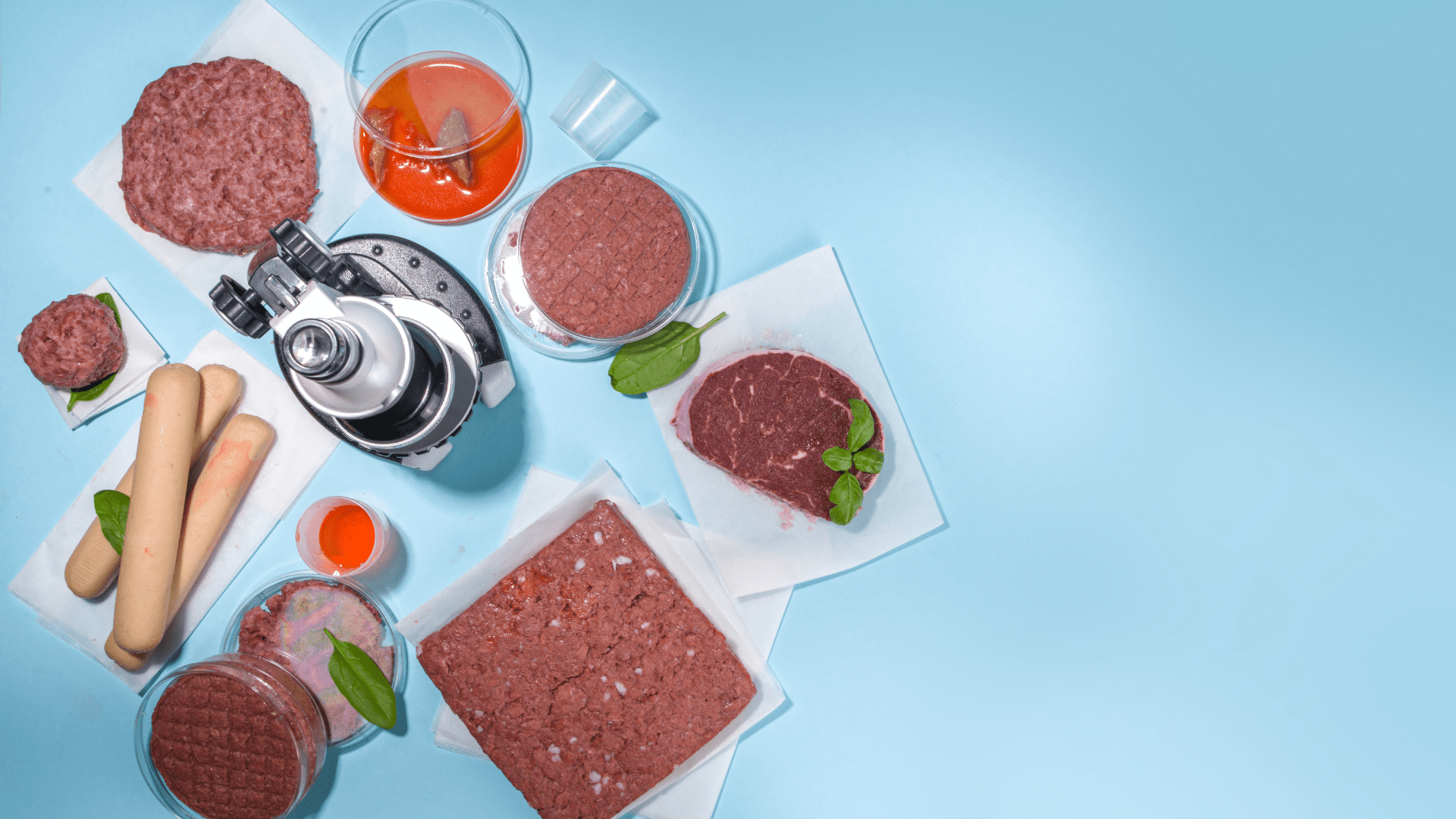
Food and beverage automation is undergoing a series of transformations, from more ethical livestock treatment to eliminating artificial ingredients and processes to improving the hygiene of irrigation systems in agriculture. But perhaps the most impactful and paradigm-shifting development in this industry is the emergence of lab-grown meat, which is changing not only how we view meat production and consumption, but also how we view the nature of food automation. Why PlantPAx is Ideal for Pilot Plants Pilot plants require flexible yet robust automation systems that can scale to full production. Rockwell Automation’s PlantPAxsystem offers: The Benefits of Automation in Pilot-Scale Operations Process automation helps reduce variability, ensure reproducibility, and accelerate development. Automation also: Understanding the Cultivated Meat Movement Cultivated meat, also called lab-grown or cultured meat, grows mammalian and fish cells for human consumption in a process similar to biotech drug substance manufacturing. Cultured meat is real meat that is grown from a cell bank of a small number of real animal cells. It doesn’t require animals to be raised, fed, and slaughtered as traditional meat does.    In theory, cultured meat should be more sustainable than traditional meat. Bio-cultured meat requires significantly less land and water, has a better yield per pound of feedstock, and produces pure meat protein and/or fat that creates minimal waste and byproducts. A single batch can grow 350 pounds of pure meat protein in less than two weeks with no feathers, beaks, claws, blood, bones, or excrement to dispose of.  Traditional meat raises the animals where few people live and must be transported to a slaughter facility, processed and further transported to market. Cultured meat plants can be built much closer to population centers, reducing travel time and expense. Additionally, because it is grown in a sterile environment, it is cleaner and has a shelf life … Continued

Read More