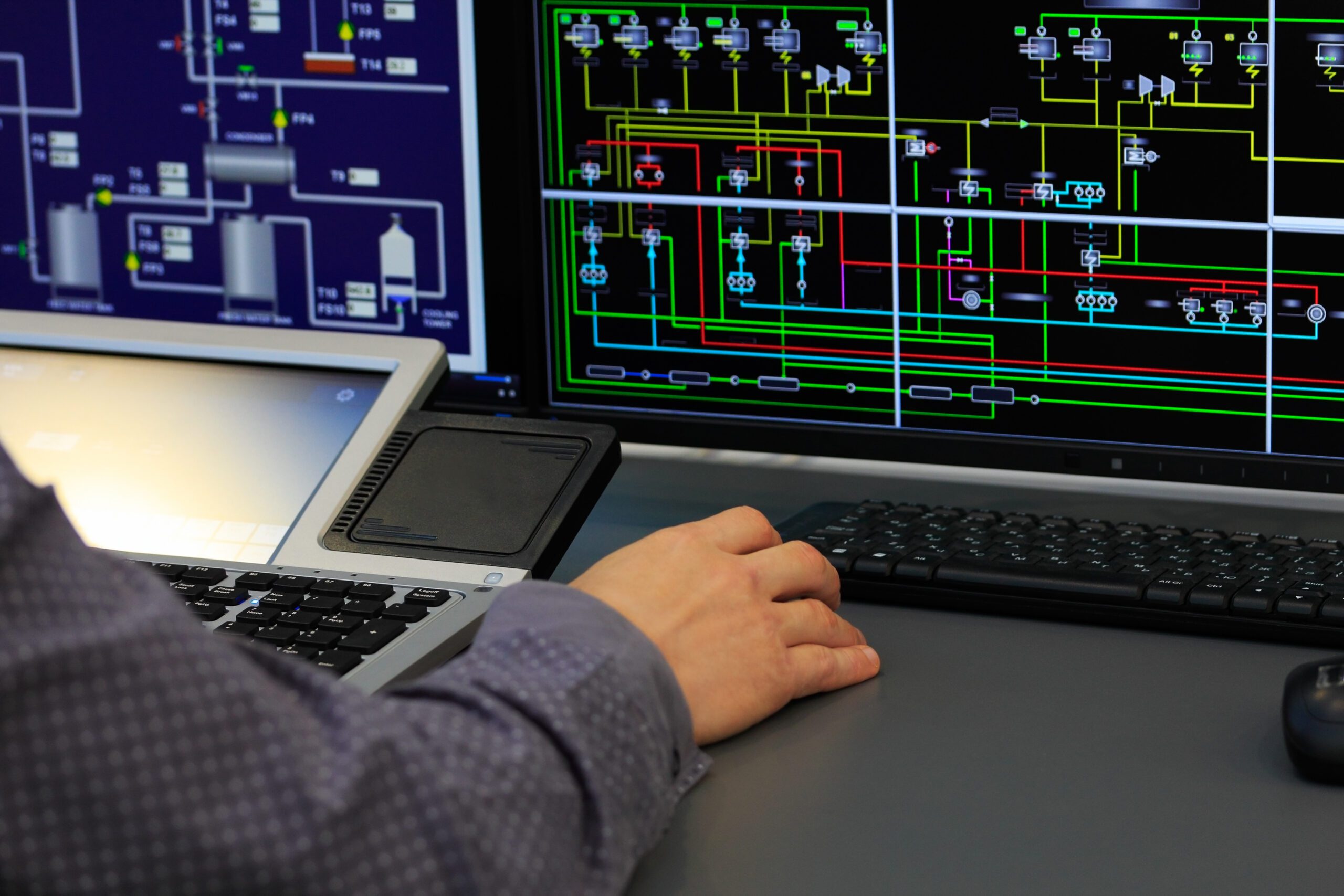
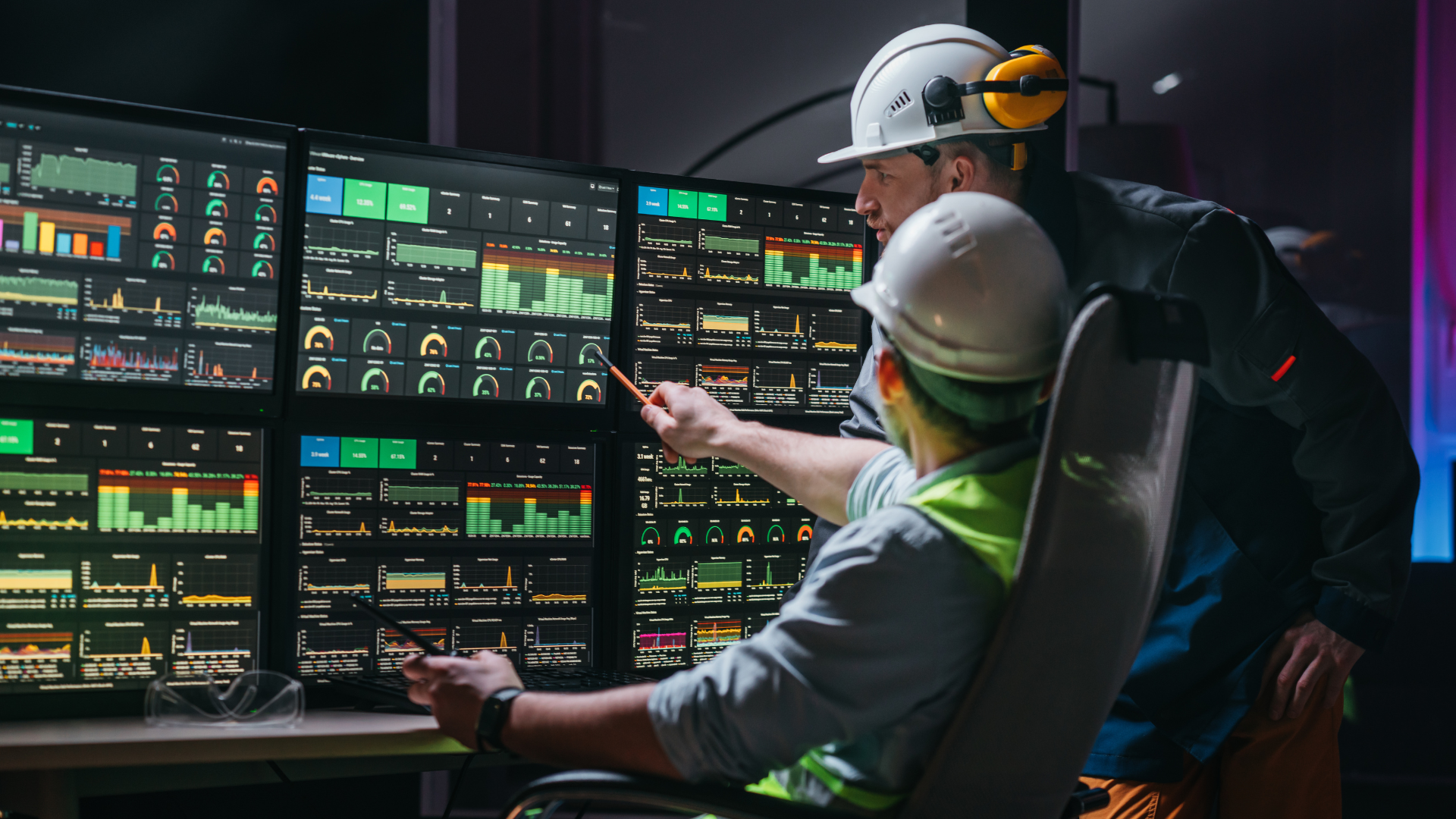
Many industrial facilities continue to operate with control systems that have been in service for decades. In many cases, these systems remain functional and continue supporting day-to-day production, which often means that modernization projects are postponed in favor of more immediate operational priorities. While older equipment may continue to perform its intended function, aging control systems can introduce risks that aren’t always immediately visible. Limited hardware availability, outdated software, inconsistent documentation, and growing cybersecurity concerns can all affect a facility’s ability to maintain reliable operations. Modernization isn’t just about replacing old technology with new, but about reducing operational risk, improving maintainability, and ensuring that automation infrastructure can continue supporting production as business needs evolve. Why Legacy Systems Remain in Service Unlike consumer technology, industrial equipment is designed for long service lives. PLCs, HMIs, drives, and SCADA systems are expected to operate reliably for many years, making it common for facilities to run equipment that has been in place for decades. If production remains stable, there’s little incentive to replace systems that still appear to be working. Modernization projects can also require planned downtime, engineering resources, operator training, and capital investment. For facilities focused on maximizing production, replacing a functioning system may not seem like a priority. The risks associated with legacy systems often increase gradually, making them easy to overlook until a significant issue occurs. Operational and Cybersecurity Risks of Legacy Control Systems Aging Hardware Becomes More Difficult to Support As automation platforms reach the end of their lifecycle, replacement components become increasingly difficult to obtain. Manufacturers eventually discontinue processors, communication modules, power supplies, and input/output hardware, which means that spare parts may only be available through secondary suppliers, refurbished inventories, or equipment salvaged from other facilities. If a critical component fails unexpectedly, extended lead times or limited availability can … Continued