Skip to content

News & Knowledge

We’re your source for automation news. Keep up with the latest industry updates and E Tech employee spotlights, as well as tips and guidance from our manufacturing experts.  

Why Make CIP an Integral Part of Your Automated Processes

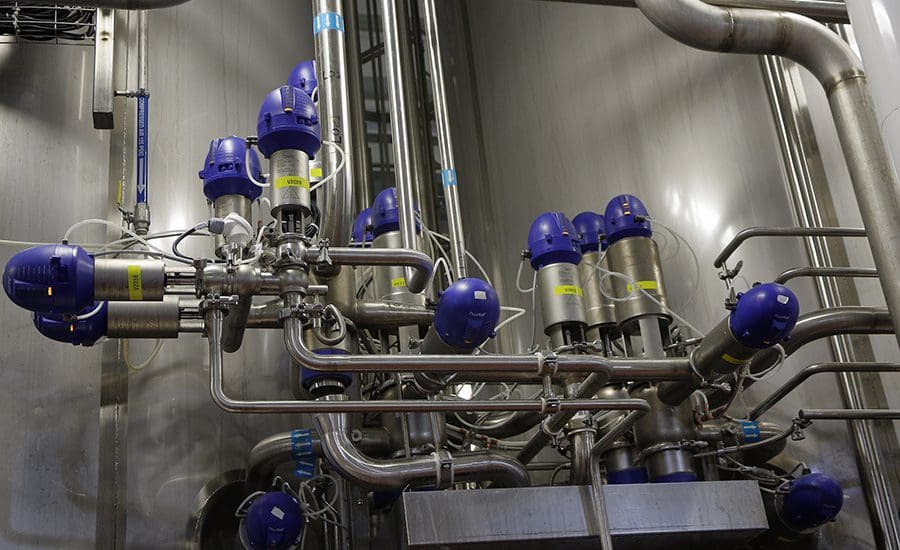
In the same way you use automation to make consistent, quality products, why not use CIP to ensure germ-free cleaning every time? You’ve automated your process and packaging and have computer-generated paper trails to show food safety and quality throughout your facility. Why wouldn’t you do the same with cleaning—wherever it’s practical? Granted, there are certain pieces of equipment you just have to take out of the process to clean manually, but for other components—like piping, some conveyor belting, certain pumps, mixers, tanks and other equipment—you can clean them in place (CIP) and have automated recordkeeping to show proof of cleaning and sanitation to regulating bodies when they ask. An Expert Opinion on Sanitation Safety in Food & Beverage Automation “CIP is an integral part of cleaning and sanitation, which affects the food safety of any facility. Cleaning and sanitation not only help you comply with regulatory requirements, but also protect consumers and your brand from contamination and recalls,” says Pablo Coronel, Ph.D., CRB Senior Fellow in Food Process & Food Safety. “CIP is carried out in process lines without dismantling and must reach every nook and cranny of the process equipment; thus, well-designed equipment that is amenable to CIP (as opposed to COP—clean out of place) is a must for any installation. Materials of construction, drainability, ease of cleaning, and prevention of dead areas/zones are some of the criteria for design,” adds Coronel. Besides the equipment design, a successful CIP system depends on several variables, such as water flow rate and temperature, chemicals used (concentration) and time of cleaning. These variables are set in cooperation with the chemical supplier by the characteristics of the product to be cleaned (viscosity, stickiness, amount of fouling and presence of allergens) and the equipment that needs to be cleaned. The presence of allergens, … Continued

Read More

E Tech Group Delivers Batch Controls for Meat Cultivation

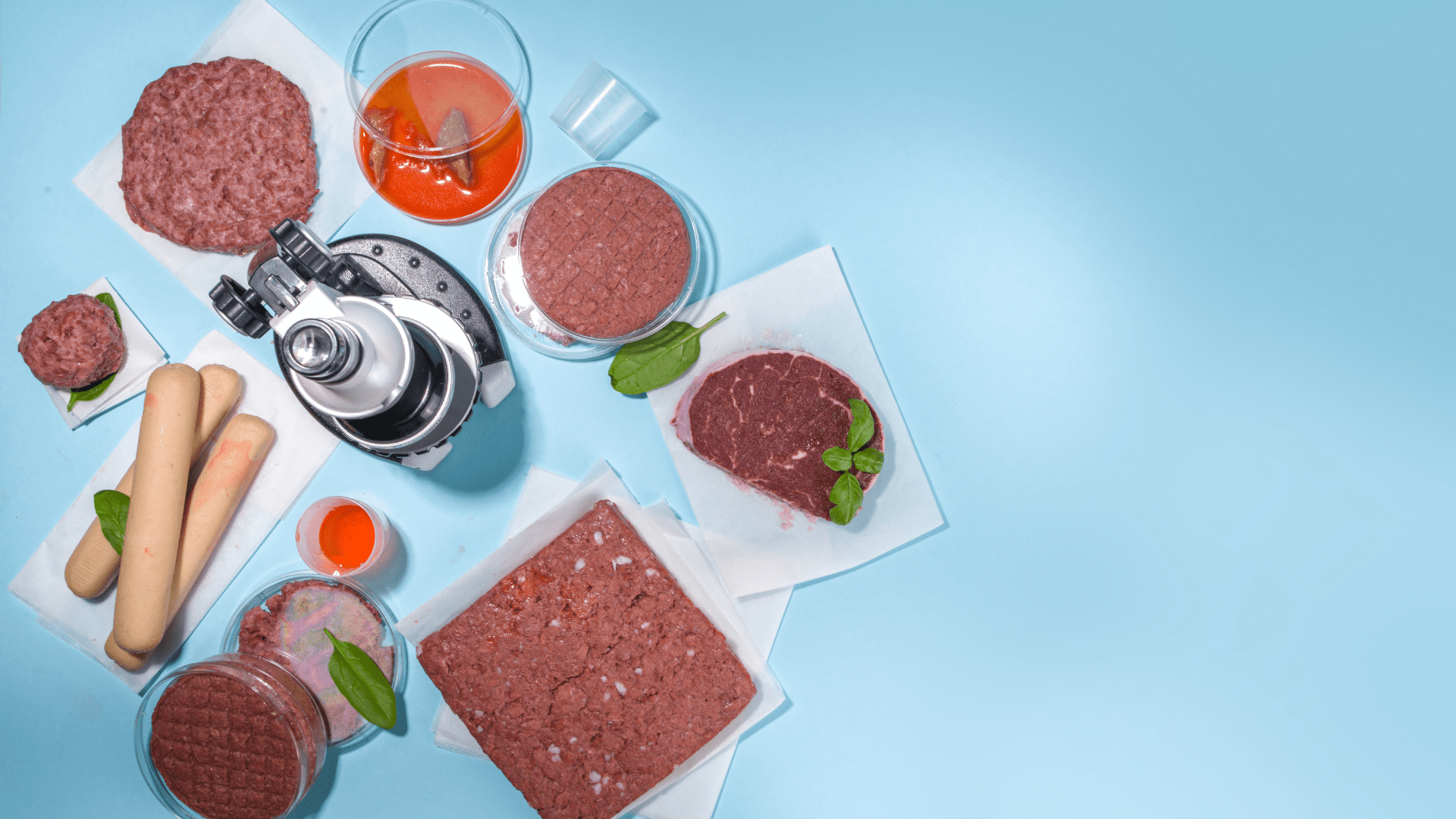
Taking cells from livestock to grow meat in a lab might seem like science fiction, but E Tech Group is making these processes a reality. Alternative proteins and cultivated meat are the ethical, sustainable future of meat production, and require innovations in automation technology and control system design. Cassy Gardner, Director of Operations, and Anees Chamarty, Lead Automation Engineer at E Tech Group, Life Sciences West, discussed their work to develop a scalable and sustainable solution for cultivated meat. The first-of-its-kind pilot plant is essentially growing meat in a lab, with the help of automation. “This is something that’s not been done before, so our clients are in a very innovative space,” said Gardner. “This made early involvement with the client imperative to reducing design changes throughout the course of the project. We really had to stay, from an automation perspective, in lockstep with the clients as they evolved what they were looking to accomplish from a process perspective,” said Gardner. Key Considerations in Batch Control for Cultivated Meat Implementing batch controls in cultivated meat production requires careful attention to several critical factors. Maintaining consistent recipes, calibrating equipment precisely, and closely monitoring environmental conditions are all essential to ensuring reliable cell growth and product quality. Detailed process data must be captured and analyzed continuously, providing the foundation for quality control, regulatory compliance, and process improvement. By focusing on these considerations, facilities can achieve repeatable outcomes and maintain scalability as production volumes increase. Benefits of Batch Control Systems Advanced batch control systems bring significant advantages to cultivated meat production. They help maintain consistent product quality from batch to batch, provide full traceability for regulatory requirements, and enable operators to optimize cycle times and resource usage. By automating key process steps and closely monitoring equipment performance, these systems also make scaling operations … Continued

Read More

E Tech Group Earns PlantPAx 5.0 Certification

E Tech Group is excited to announce that after several successful installations and completed audits, we are now one of the first integrators to become Rockwell PlantPax 5.0 certified. We want to thank our team members who worked diligently to ensure this prestigious achievement was possible, and hope you’ll consider us for your next PlantPax installation/solution. Key Benefits of Rockwell PlantPAx 5.0 Implementing PlantPAx brings several advantages: E Tech Group’s certification as a PlantPAx 5.0 integrator signifies our demonstrated expertise in delivering high-quality, efficient, and reliable automation solutions. This certification assures clients that we adhere to Rockwell Automation’s best practices, ensuring systems are implemented correctly and effectively.

Read More